Teaching the Unseen Skill: How Adults Can Help Children Envision the Future

The Four Skills Young People Need to Dream


Dreaming isn’t just imagination—it’s a skill that adults can help cultivate in young people. 

Written by C. Diane Wallace Booker, Esq., U. S. Dream Academy Chief Executive Officer

Often, we assume that children will naturally dream big, create goals, and imagine futures for themselves. But dreaming is not automatic, and children cannot—and should not—be expected to learn it on their own. Trauma, adversity, and limited opportunity often quietly constrain what a child believes is possible. Adults who intentionally guide, support, and challenge them are critical to helping children imagine and pursue a hopeful future. The good news is that dreaming can be taught and nurtured—not by telling children what to do, but through relationships in which adults express care, provide support, challenge growth, share power, and expand possibilities.


At the heart of this work are developmental relationships: connections that allow children to take risks, explore new possibilities, engage with mentors, and persist through challenges. Without adults who intentionally hold these roles, even the most capable children may struggle to see themselves beyond their immediate circumstances. In fact, these relationships are so important that organizations seeking to foster dreaming in young people often benefit from training and guidance on how to embed these practices into their programs.


From our experience at US Dream Academy, we’ve found that there are four critical skills children need to develop the ability to dream—and adults are essential in helping them build each one.

DreamKids

Skill 1: Rebuilding Agency


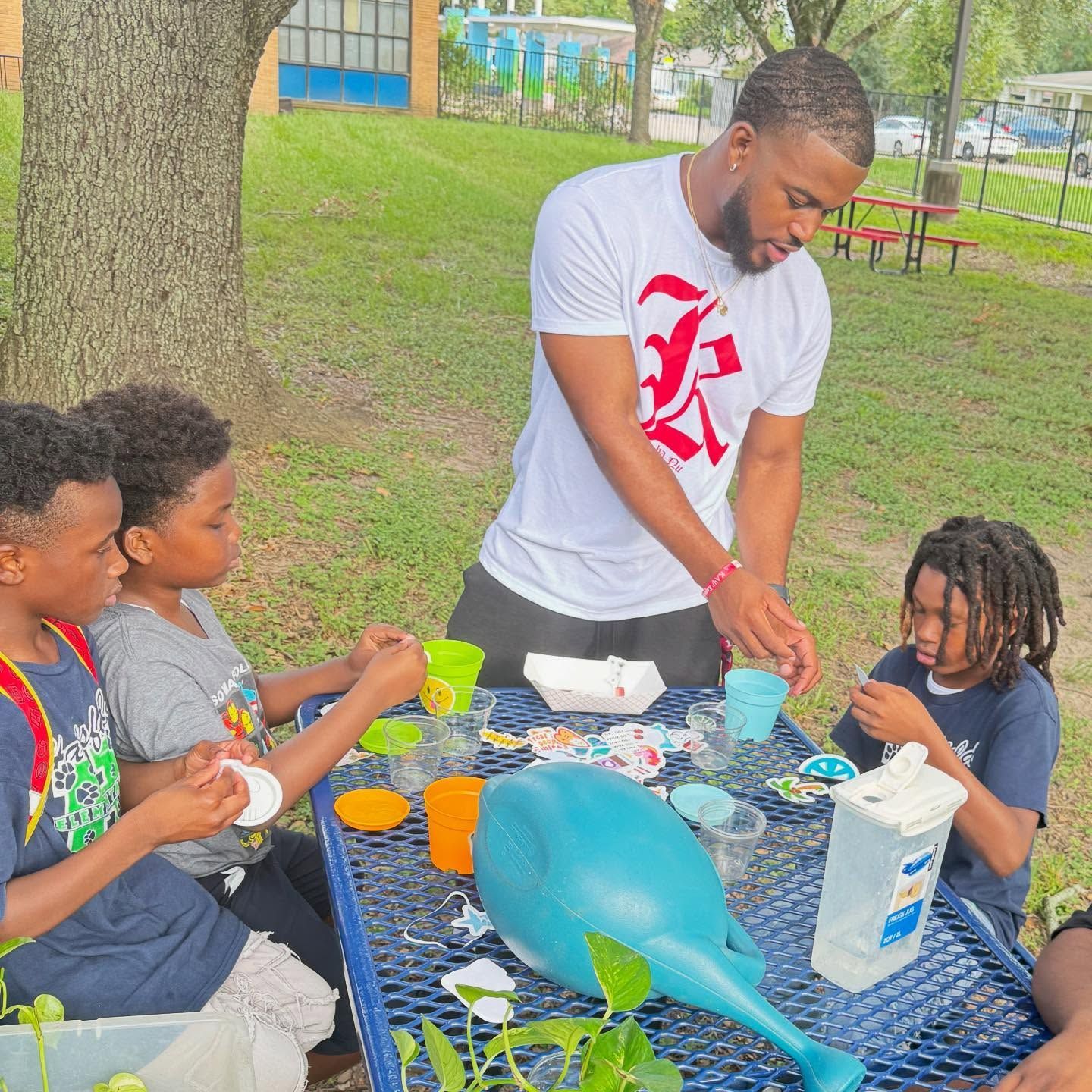
Dreaming requires a sense of control over one’s own life. Adults help children develop agency by sharing power: letting them make meaningful choices, take on responsibilities, and reflect on the outcomes. Adults scaffold experiences so children can see that their actions matter. Small wins, supportive feedback, and guidance help children feel capable of shaping their future.


Skill 2: Expanding Possibility


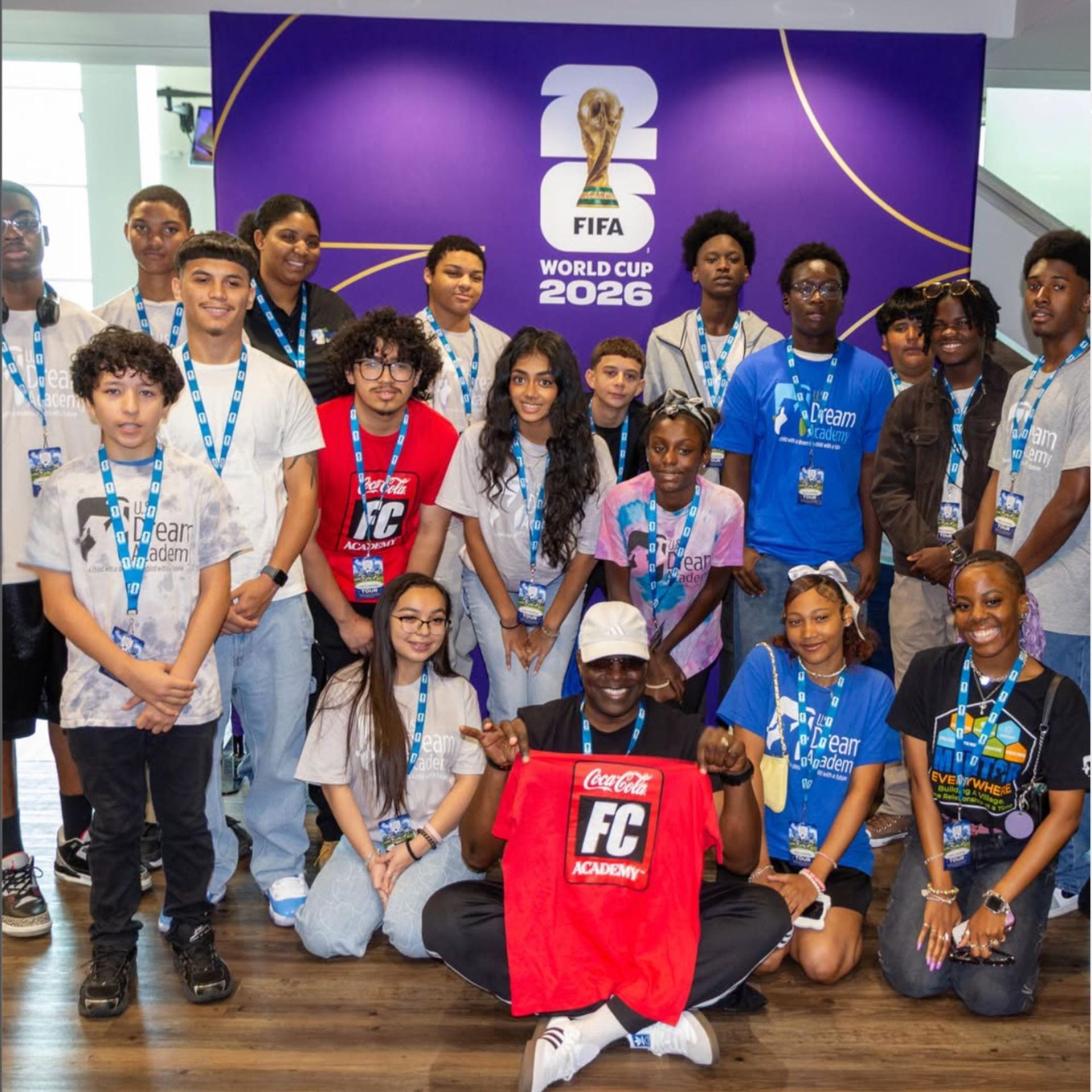
Children’s dreams are often constrained by what they think is realistic or familiar. Adults play a vital role in introducing new possibilities: exposing children to different careers, ideas, role models, and experiences. Mentors from diverse backgrounds, field trips, guest speakers, and stories of real people who overcame obstacles all help children imagine beyond their current circumstances. Adults who actively challenge assumptions and gently push boundaries help children expand what they believe is possible.

What makes this even more important is what we now know about purpose. A growing body of research-including a review supported by the John Templeton Foundation that synthesizes more than six decades of studies-shows that having a clear sense of purpose is linked to measurable health benefits, from lower levels of inflammatory markers in the body to stronger cognitive functioning and a reduced risk of age-related cognitive impairment and dementia. Purpose gives people a reason to persist, a reason to care for themselves, and a framework for making meaning out of hardship. At its core, dreaming is about developing a future-oriented sense of meaning: a belief that one’s life is going somewhere and that the future holds something worth striving for.


When young people are unable to dream, they are not just missing goals; they are missing a protective force that research tells us is deeply connected to long-term health, resilience, and well-being. By teaching children to dream, we are actively strengthening their long-term health, not just their future goals.


Skill 3: Holding a Vision Over Time


Dreams take practice, persistence, and patience. Adults help children hold their visions, model resilience, and normalize setbacks as part of growth. Activities like goal mapping, journaling, and storytelling provide opportunities for children to track progress while adults provide encouragement, accountability, and reflection. Children learn that dreams aren’t fragile—they can evolve, grow, and be pursued step by step with guidance and support.


Skill 4: Connecting Dreams to Purpose


Dreams matter most when they are tied to meaning. Adults help children connect aspirations to values, contribution, and purpose—showing them why goals are worth pursuing. Purpose strengthens motivation, resilience, and health. Whether through service opportunities, reflection conversations, or mentorship, adults who guide children in understanding why their dreams matter help turn ambition into sustained, meaningful action.

“Dreaming is not a trait children are born with—

it is a skill adults can help them develop.”


CEO Call to Action

If you work with young people, ask yourself: Am I creating the space for children to imagine a future they believe they can shape? What if we stopped asking children what they want to be when they grow up and started teaching them how to create a vision for their own future that is worth moving toward?


At U.S. Dream Academy, we’ve spent nearly three decades refining a model that helps young people rebuild agency, expand possibilities, hold a vision over time, and connect their dreams to purpose. Now, through our new consulting and training practice, we partner with organizations—afterschool programs, mentoring initiatives, youth development programs, and faith-based ministries—to implement these strategies, train staff, and improve program outcomes.


If you want to learn how to build these practices into your program and empower the young people you serve to dream bigger and more safely, reach out to us at info@usdreamacademy.org.


SIGN-UP NOW TO BE A DREAM MENTOR

SHARE THIS ARTICLE

FOLLOW US FOR NEWS & UPDATES

By Diane Booker April 27, 2026
I s Low Ambition a Character Flaw or Could It Be a Protective Strategy?
By Naaila Gray Brown January 15, 2026
How Mentoring Shapes the Leaders Our Communities Need Tomorrow
By Kaayla Butler February 26, 2024
In 2023, we are proud to have our long-time corporate partner QTS as the sponsor for this prestigious award, The Mentor of the Year Award Sponsored by QTS. After a round of nominations from each of our Learning Centers, a rigorous review by a specially selected group of QTS employees, we are thrilled to announce our mentor of the year from Salt Lake City: Daniel Guerrero.
CELEBRATING FREEDOM
June 16, 2023
My great great grandmother, Maria Simms Wallace, born enslaved would have been around 20 years old on June 19, 1865 when General Granger and Union Troops rode into Galveston, Texas to officially declare the state of Texas under Union rule and consequently all enslaved Black people would be immediately free.
Flower growing among rocks proof of resilience
By C. Diane Wallace Booker, Esq., Chief Strategy Officer and Executive Vice President May 23, 2023
Over the course of about eight months during the pandemic, we worked together to co-design a narrative shifting visual podcast to reach other young people facing the hard stuff in life. Our initial big goal of the podcast was to de-stigmatize the experience of having a parent incarcerated so that young people will seek help and understand they are not alone.
JUNETEENTH: A CELEBRATION OF FREEDOM
By C. Diane Wallace Booker, Esq., Chief Strategy Officer and Executive Vice President June 19, 2020
While Juneteenth is the day signifying “freedom” for African Americans due to the legal abolition of slavery, true freedom for African Americans has never been fully realized in this country.
RACIAL INJUSTICE: WHAT ABOUT THE KIDS?
June 18, 2020
As a youth-serving organization, our staff and volunteers have often had to ask the questions “What do we tell our children?” and “How does this violence and disregard for Black lives impact our DreamKids?”
WHEN “A YEAR OF FIRSTS” INCLUDES A PANDEMIC!
By C. Diane Wallace Booker, Esq., Chief Strategy Officer and Executive Vice President April 22, 2020
When my son was selected to be a part of Michelle Obama’s “A Year of Firsts”- an internet series to document the first year of college, who could have guessed that our entire world would be going through “a year of firsts”!
STRENGTHENING SOCIAL CONNECTIONS THROUGH COVID-19 SOCIAL DISTANCING
By C. Diane Wallace Booker, Esq., Chief Strategy Officer and Executive Vice President March 25, 2020
During this unprecedented experience of the COVID-19 pandemic, we have had a new term added to our vocabulary – “Social Distancing”. But is this really the goal?
YOUTH DEVELOPMENT: CULTIVATING GROWTH MINDSETS IN TEENS
By U.S. Dream Academy September 19, 2019
For years, many people have viewed intelligence as something that kids are born with instead of a mindset that can be developed through hard work.
More Posts